Lucas Malta
University of North Carolina at Chapel Hill
"The dangers of not thinking clearly are much greater now than ever before. It's not that there's something new in our way of thinking - it's that credulous and confused thinking can be much more lethal in ways it was never before."
-Carl Sagan
Growing up in Denver, North Carolina, a small town outside of Charlotte, because of the close-knit nature of the community, I was exposed to the socioeconomic struggles rural communities face. The limited resources in Denver drove me to seek a broader array of educational opportunities outside my community to further my education and pursue my interests.
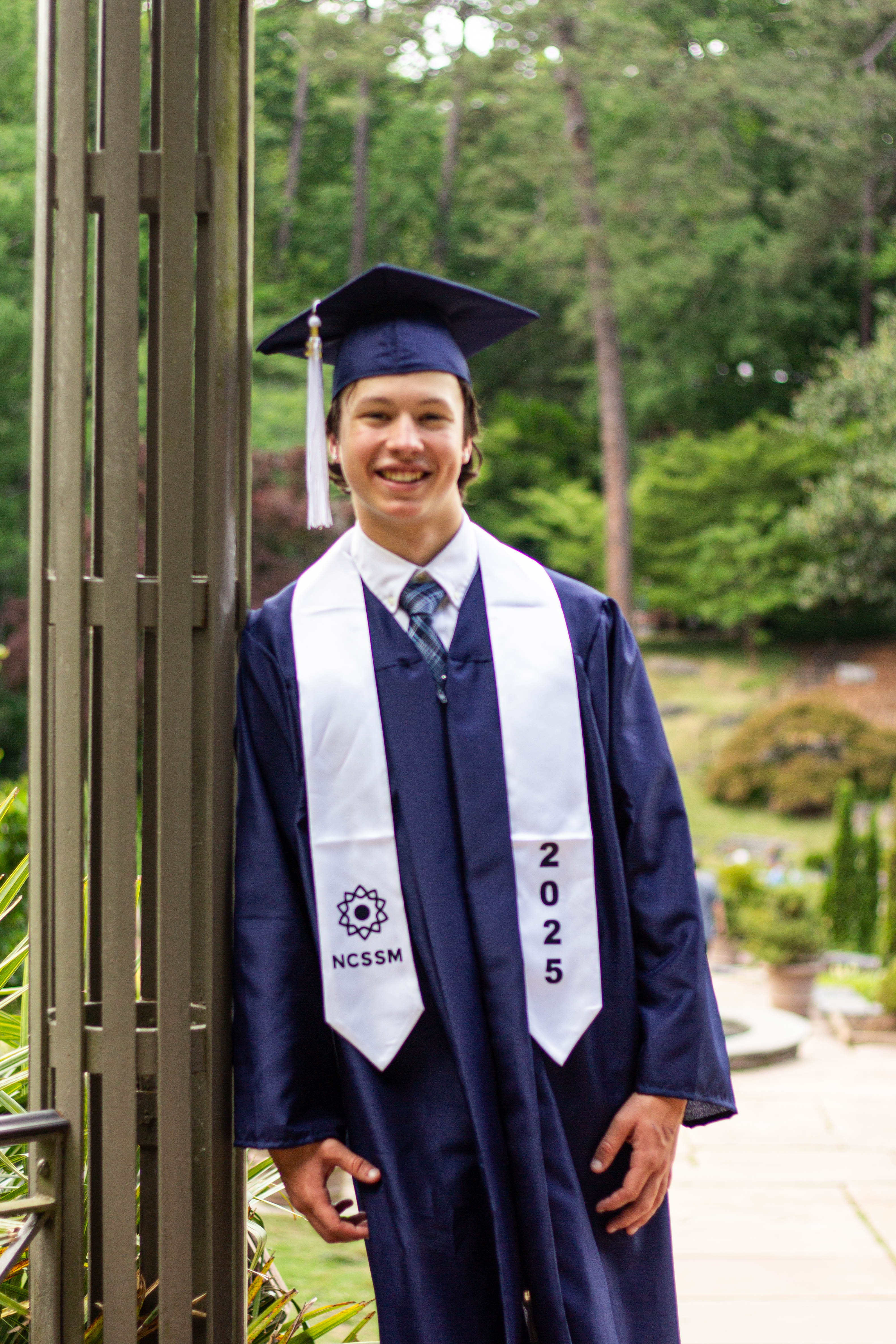
Consequently, to focus my high school education on my STEM interests, I spent my last two years of high school at the North Carolina School of Science and Mathematics (NCSSM) in Durham. As a result, I noticed differences in the sexual education curricula in my hometown and at NCSSM. In Denver, an “abstinence only” curriculum was pushed to students, with no attention paid to pregnancy prevention or mitigating the spread of STDs through safe sexual practices. Conversely, NCSSM’s sexual education curriculum emphasized several contraception tools and instructed us on identifying the symptoms of STDs. Through this, we were enlightened with the knowledge necessary for safe sexual practices, allowing us to protect ourselves from STDs and know when to seek medical attention for a potential STD, information that my Denver peers did not receive.
Through the lack of comprehensive sexual education in my hometown, I developed a passion for addressing the negative health and social implications of the HIV epidemic. This narrower focus, due to its greater directionality, inspired me to set my academic goals on studying both the social and biological effects of HIV.
Consequently, I completed independent research over the course of a year at NCSSM through the “Research in Chemistry” program. My project aimed to develop a potential treatment for HIV and ultimately address the problem that kills hundreds of thousands of people every year. Through rigorous work in computational design, organic synthesis, and biochemical assays, I successfully identified a potential chemical scaffold to prevent HIV from binding to human cells.
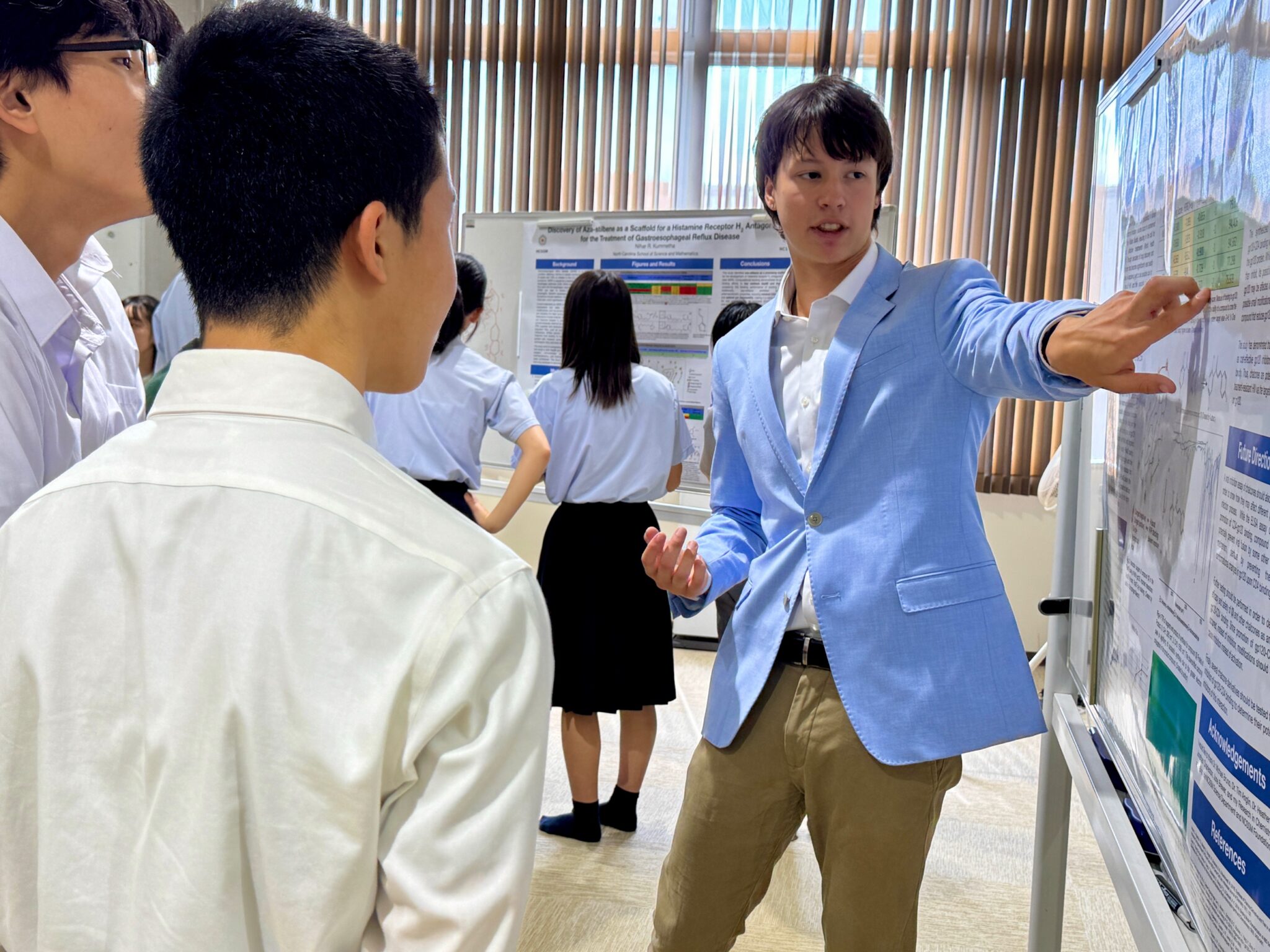
I present my research at an international conference in Japan. June 2025.
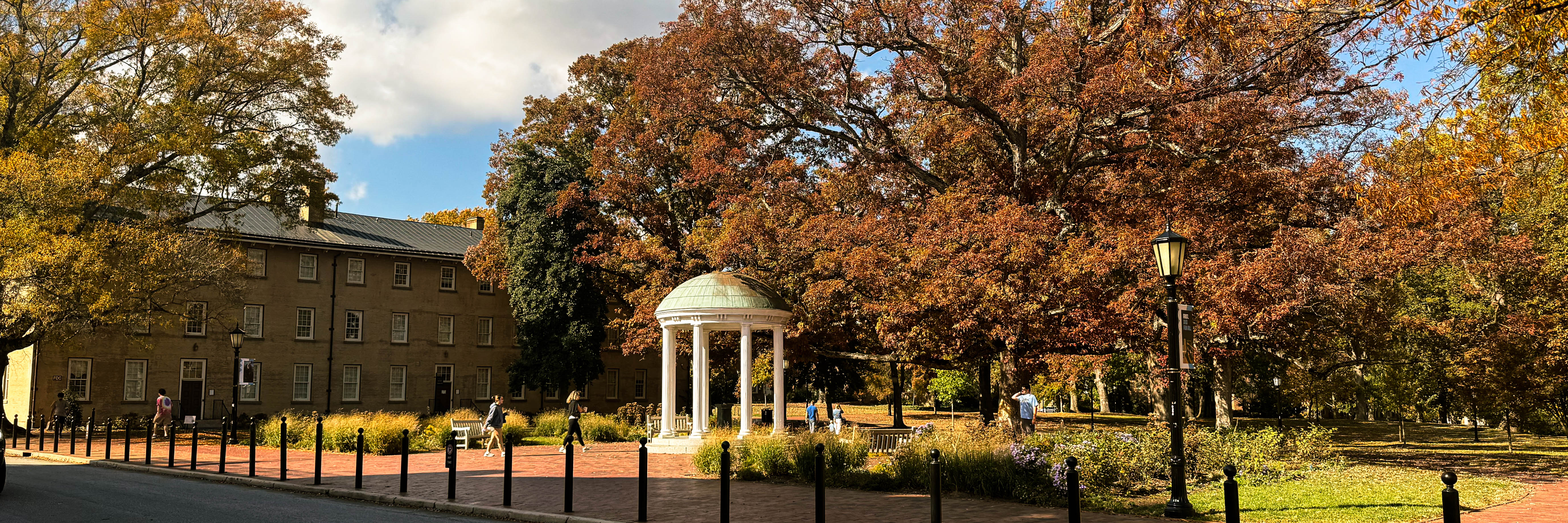
I now attend the University of North Carolina at Chapel Hill, studying Chemistry. Through this major, I intend to engage in coursework that will further my knowledge of the biochemical processes that underlie HIV infection. I plan to work in one of the many labs associated with “The HIV Cure Center” as a student researcher. By engaging with a cutting-edge biochemical research facility, I will learn not just about HIV research methodologies but also general biochemical laboratory and research procedures that I will apply to my ensuing research goals.
Future Goals:
In the summer of 2026, I will take a wilderness EMT class through NOLS. Through this experience, I will have the opportunity to engage in clinical work, specifically in communities with limited resources, a common issue in rural areas.
In the long term, while my exact path is uncertain, I intend to serve rural communities like my own as a physician-researcher. I will spearhead research on diseases, like HIV, that asymmetrically affect specific communities, and I am aiming to provide low-cost treatment to them. Ultimately, I will give back to rural populations, such as those in my hometown of Denver, NC, through a career focused on developing and delivering low-cost, effective treatments for diseases that disproportionately affect those close to me.